


The world’s mangroves are eroding and being rapidly destroyed

It is a fact that, on average, coastal and marine ecosystems such as mangroves, tidal marshes, and seagrass meadows store more carbon than terrestrial ecosystems, but scientists estimate they are eroding at about 2% annually, releasing as much as 1.02 billion tons of carbon dioxide (CO2) each year.
Like no other, mangrove trees grow in saltwater, mitigate climate-changing CO2, and are a buffer between land and the ocean.


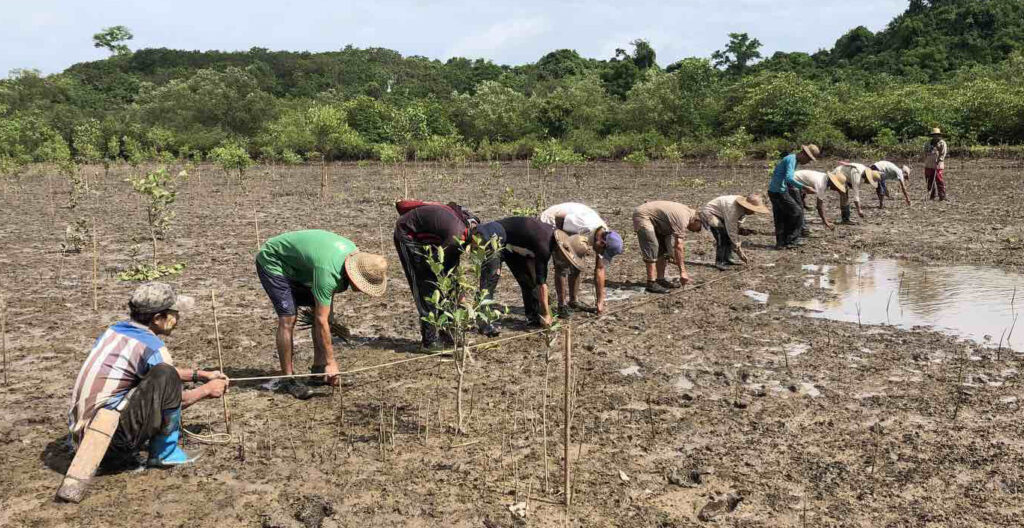

MANGROVES
– Mitigating up to 5 times more CO2 than terrestrial trees.
– Storing 80% of carbon permanently in the soil, compared to 20% in the terrestrial trees.
– Protecting lives and homes from tsunamis, cyclones, and other extreme weather.
– Minimizing shoreline erosion due to sea level rise.
– Building up the land with falling leaves and branches.
– Cleaning off-runs for the protection of the oceans.
– Food security for increasing seafood resources by 50%.
– Producing valuable life-bearing ecosystem services.
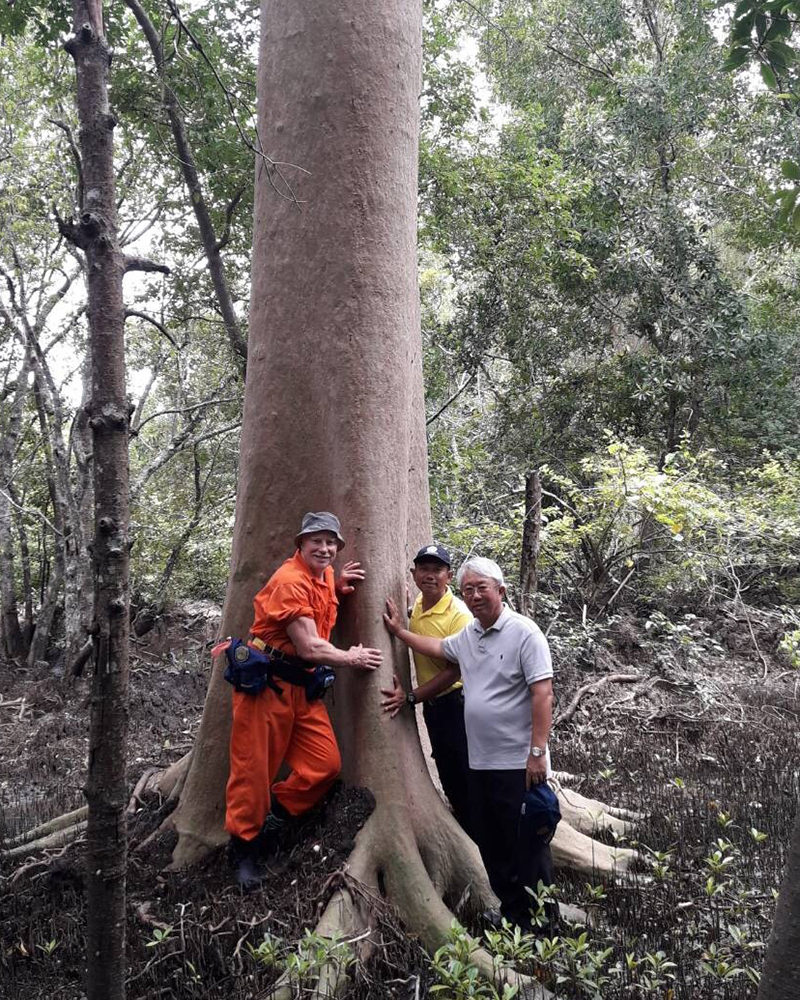
A giant known mangrove tree is 64 meters high and of unknown age in Ecuador.
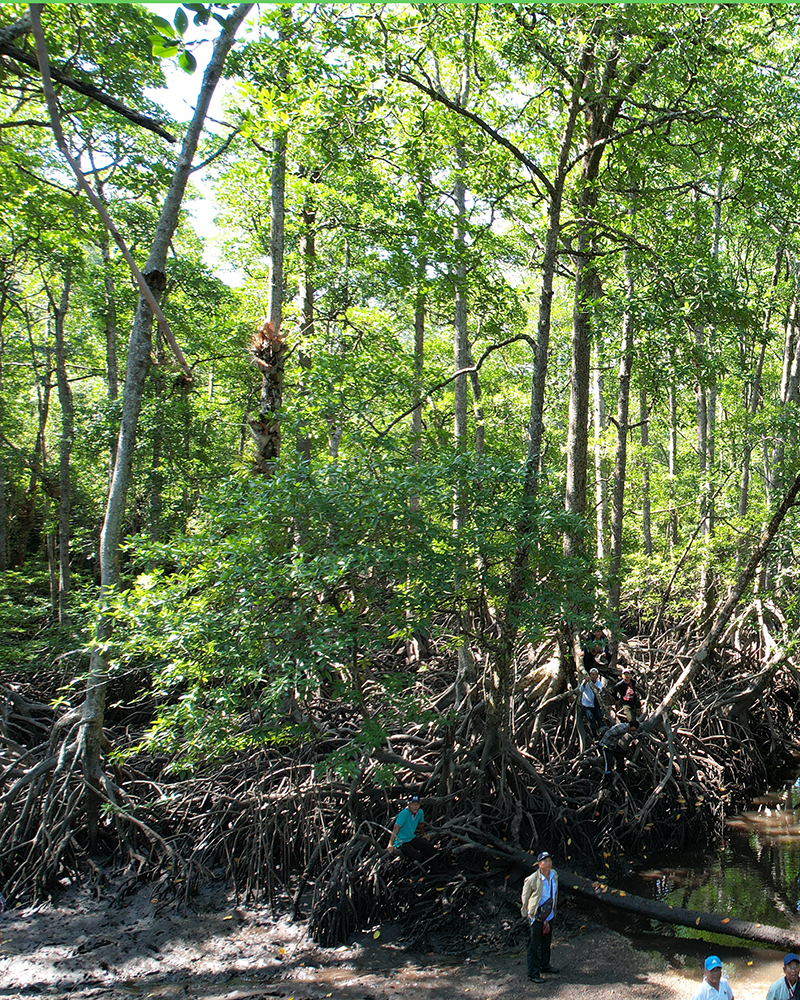
The best-preserved mangrove forest on Lampi Island, a natural reserve in Myanmar, is over 40 meters tall.

There are around 80 different mangrove species. Some grow quickly and can reach 20 meters in 9 years, while others are slow growers and take longer to mature.
There is a lot of information available on mangroves on the Internet. Look it up and learn more about these trees that grow in salty water. They require the right environment and specific growth conditions for each species. Generally, they love to be kissed twice a day by the tide, which brings refreshing water from the ocean and nourishes the growing trees. Some species shoot up breathing tentacles to deliver oxygen for their needs. Amazing trees!The more you learn, the more respect you will get for this wonder of nature.